
The Morocco earthquake of September 2023 shook the High Atlas Mountains and left many travelers asking one question: Morocco earthquake question of safety? The short answer is yes. The affected zone was limited to a part of the mountains, and the rest of the country, including the Sahara Desert, stayed open to visitors. Below you’ll find what happened, how Morocco recovered, and how to plan a safe trip today.
On the night of 8 September 2023, a powerful earthquake struck the High Atlas region of Morocco. It was one of the deadliest natural disasters in the country’s modern history, and it was felt far beyond the mountains. As a local travel agency based in Morocco, we want to give you an honest, clear picture of the situation and of what it means for your travel plans.
The Impact of the Morocco Earthquake 2023
The earthquake had a magnitude of about 6.8 according to the USGS, while Morocco’s national seismic agency reported 7.0. The epicenter was in the High Atlas Mountains of Al Haouz province, roughly 70 km southwest of Marrakech. Tremors were felt across a wide area, including Casablanca, Fes, and Meknes.
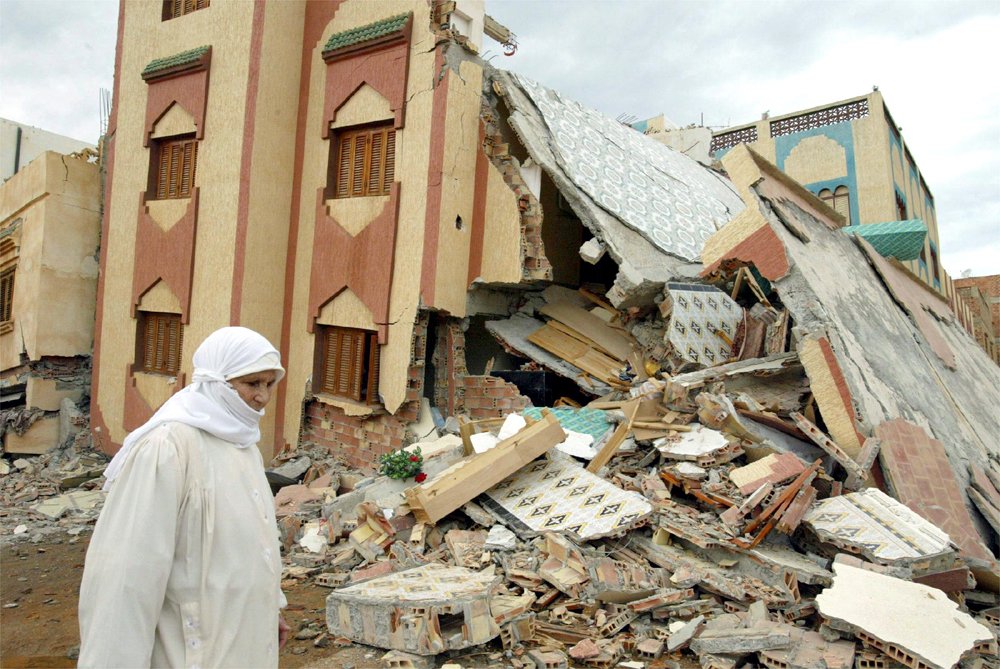
The damage was concentrated in remote mountain villages, where traditional homes built from stone and mud brick collapsed and roads were blocked by landslides. Nearly 3,000 people lost their lives, thousands more were injured, and power outages were reported in several regions. Our thoughts remain with the families who lost loved ones.
Outside the mountain zone, the picture was very different. Marrakech and most other major tourist cities were left largely intact. Some historic structures in the Marrakech area, such as parts of the old city walls and the Tinmel Mosque in the mountains, were damaged, and restoration work has been carried out since. The hotels, riads, airports, and main roads used by travelers came through in good condition.
How Morocco Responded to the Earthquake
The response was swift. Rescue teams, medical personnel, and the army were deployed to the affected areas within hours, and main roads were cleared in the following days. Thousands of Moroccans donated blood and sent food, blankets, and supplies to remote villages, and the solidarity across the country was remarkable.
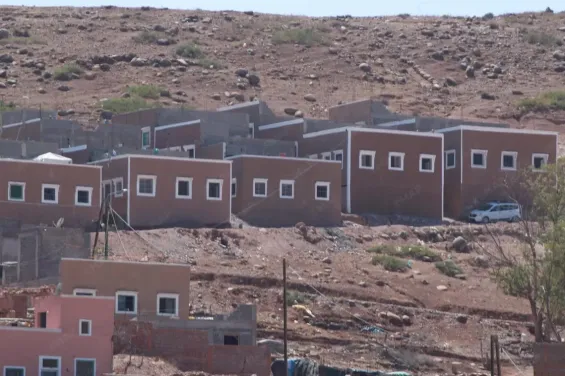
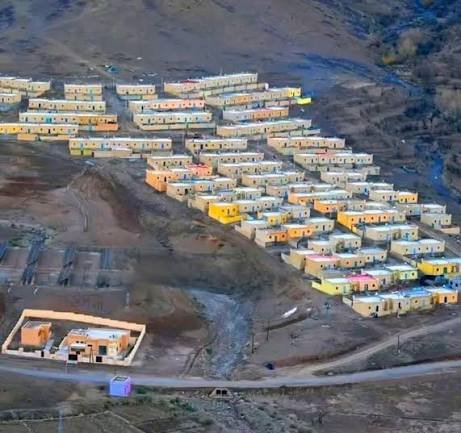
The government then launched a large-scale reconstruction program for the affected communities. It supports families whose homes were damaged, rebuilds roads and local infrastructure, and helps restore villages so they can return to normal life. Reconstruction takes time in mountain areas, but progress has been steady.
Is It Safe to Travel to Morocco After the Earthquake?
Yes. Travel to Morocco is safe, and travel to the country was never restricted outside the small affected area of the High Atlas. Marrakech, Fes, Casablanca, Chefchaouen, Essaouira, and the Sahara Desert all remained open to visitors, and the tourism sector recovered quickly. In the months and years since, Morocco has continued to welcome record numbers of international visitors.
It is also worth knowing that Morocco’s most popular desert destinations, such as Merzouga and Erg Chebbi, lie hundreds of kilometres from the epicenter. A trip to the dunes, a night in a Berber camp, and a camel ride at sunset are exactly as magical as before.
How Travel Helps the Mountain Communities
Tourism plays a vital role in the recovery of the mountain communities. Visitors who book local guides, stay in guesthouses, and eat in local restaurants directly support the families and villages rebuilding after the disaster. Choosing a local operator keeps your money in the Moroccan economy, where it matters most.
Sahara Desert Tours After the Morocco Earthquake
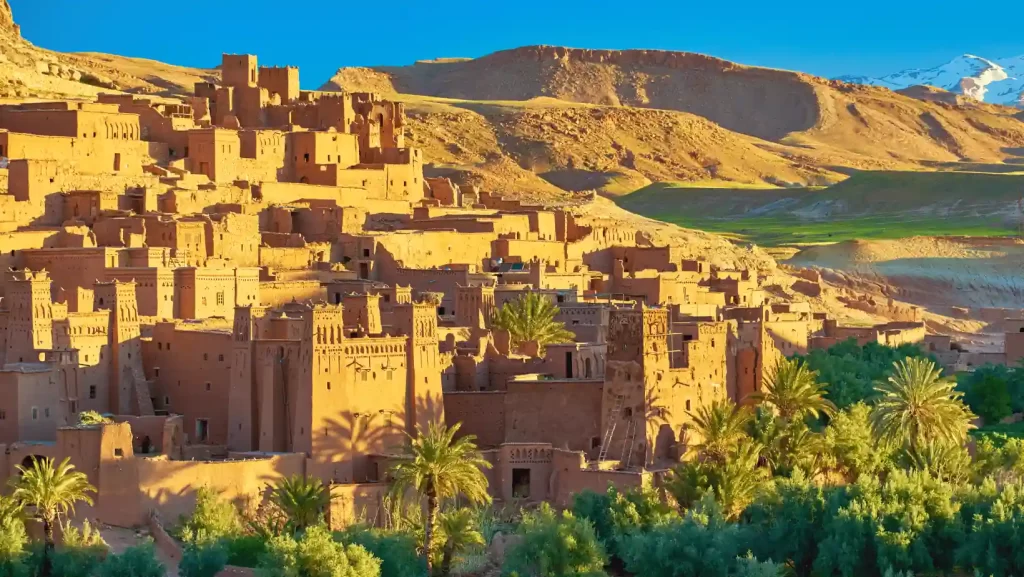
If you are planning to travel to Morocco after the earthquake, a desert tour is one of the best ways to see the country’s variety in a few days. Our most popular itineraries cross the High Atlas, visit UNESCO-listed kasbahs, and end among the golden dunes:
- 3-day desert tour from Marrakech to Fes: Ait Ben Haddou, Dades Gorges, a camel trek and overnight camp in Merzouga, then the cedar forests of Azrou before arriving in Fes.
- 3-day desert tour from Fes to Marrakech: the same route in reverse, starting in the imperial city of Fes and finishing in Marrakech.
Both tours are private and can be adjusted to your dates, pace, and interests. Our experienced local drivers and guides know the current road conditions and will adapt the route if needed, so you can relax and enjoy the trip.