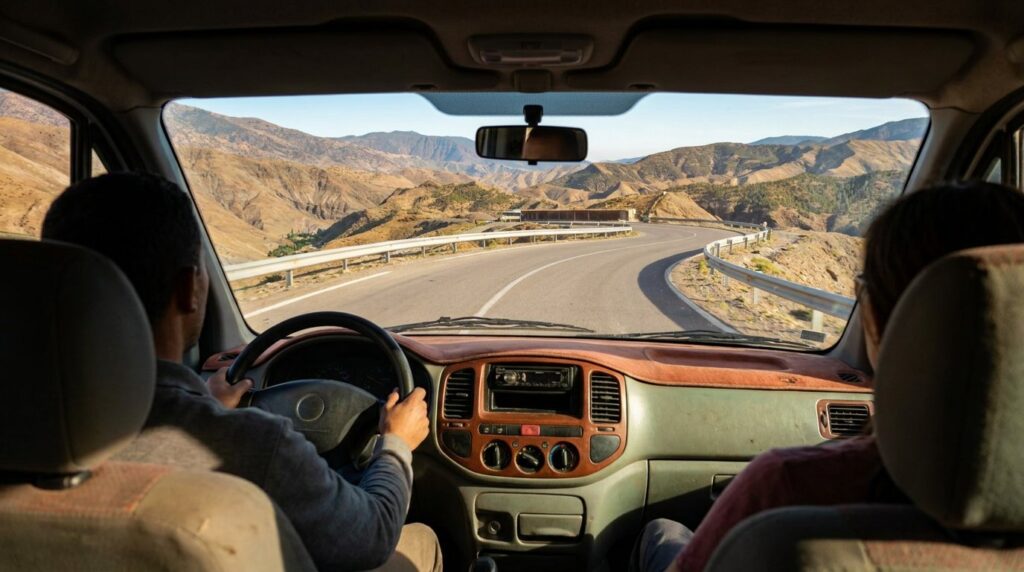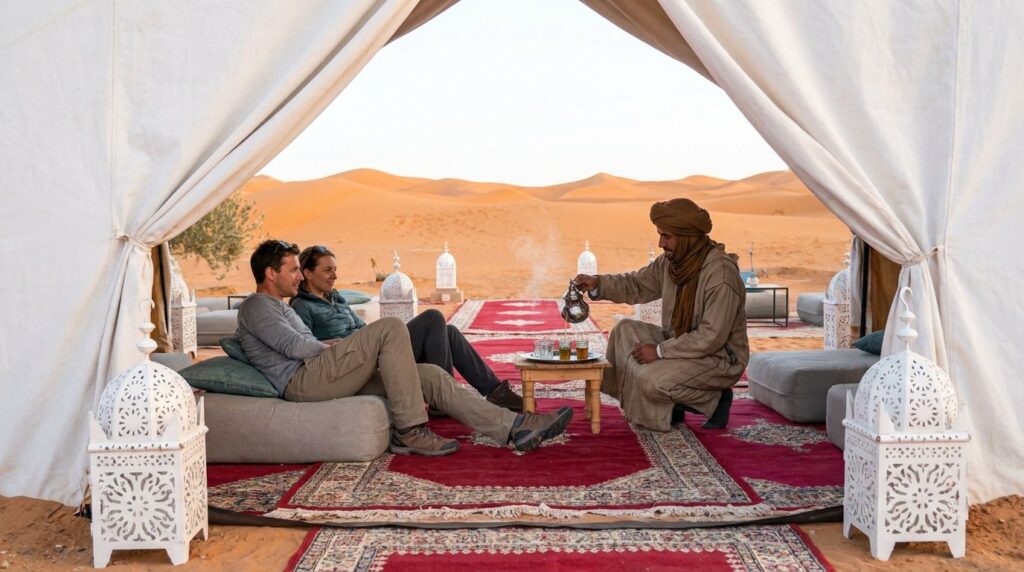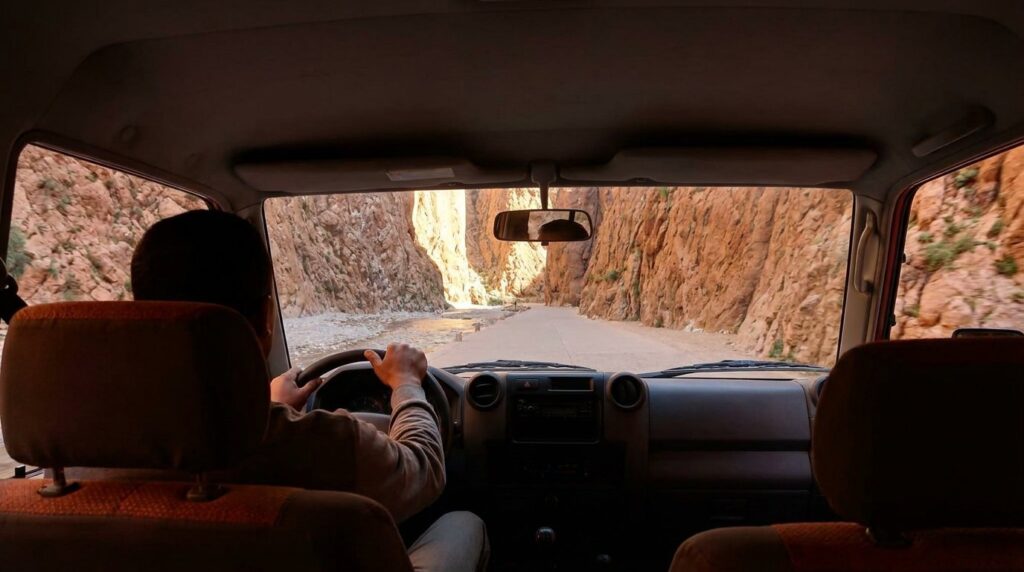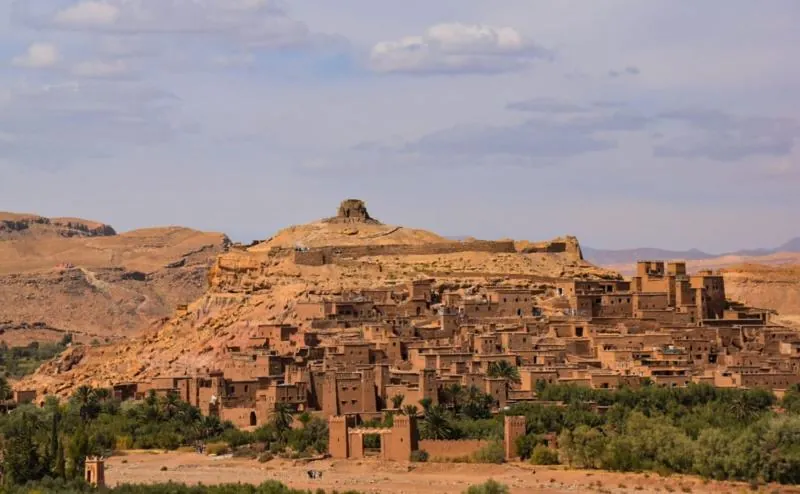
The most common Morocco itinerary mistake is trying to squeeze too many destinations into too little time. Planning several major stops in 7-8 days can turn a visit into a string of long drives rather than time to enjoy each place. When booking through Book Morocco Trips, one of the key Marrakech desert tour mistakes to avoid is choosing a route that leaves no room for the journey or a proper pause.
A desert trip can be a highlight, but it works best when the pace suits your available days and priorities. This guide shares how to plan a realistic schedule, dress considerately for local settings, prepare for summer heat that can exceed 40°C in the interior regions, and avoid easy-to-miss travel details. With a little thought before you leave, you can spend less time feeling rushed and more time taking in the changing scenery.
Key Takeaways
- Match the route to your available days and priorities, and leave room to enjoy the journey instead of stacking too many stops.
- Pack comfortable, breathable clothing that feels respectful in local settings and works for changing conditions.
- Plan outdoor activities around the day’s heat, with time to rest during the hottest hours.
- Before setting out, review the tour’s written inclusions, overnight arrangements, pickup details, and latest weather for each stop.
1. Choosing a desert tour that suits the available time
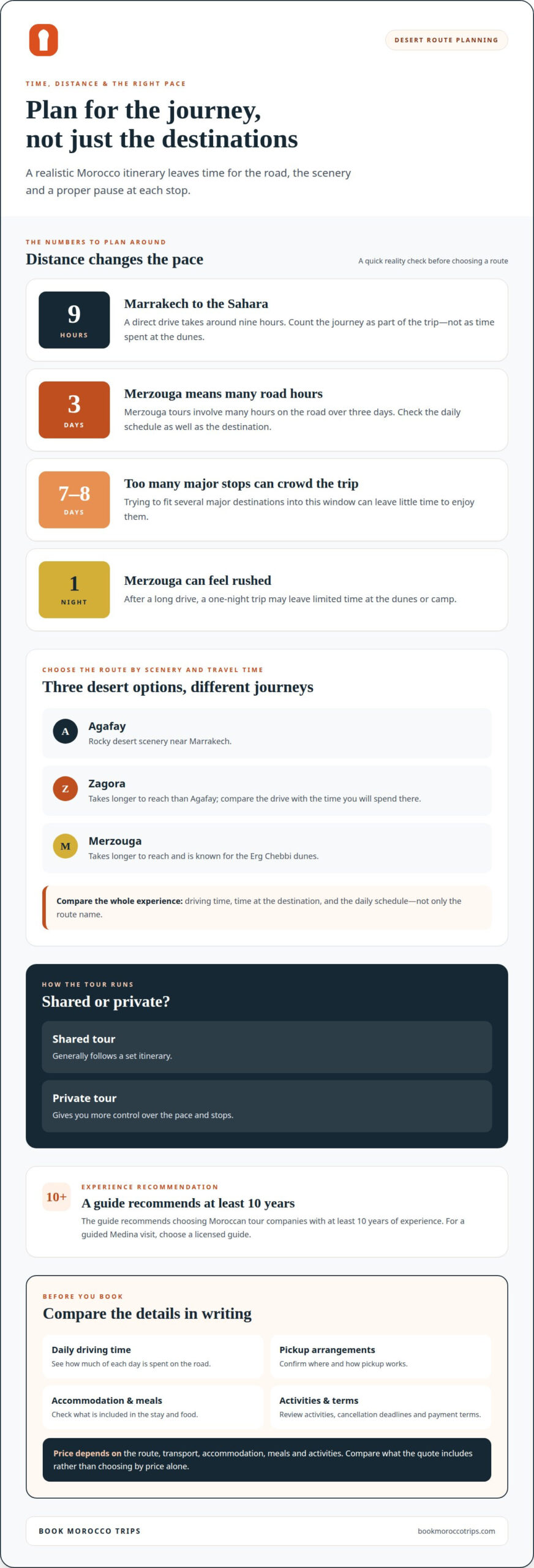
Start with your available days, then choose destinations that fit. A direct drive from Morocco’s major destinations to the Sahara takes nine hours, and Merzouga tours involve many hours on the road over three days. Trying to see several major places in 7-8 days can leave little time to enjoy them. One of the Marrakech desert tour mistakes to avoid is planning around destinations without accounting for the journey.
Agafay offers rocky desert scenery near Marrakech, while Zagora and Merzouga take longer to reach. Merzouga is known for the Erg Chebbi dunes. Compare driving time with how long you’ll actually spend at each destination. Many Marrakech desert tour mistakes to avoid start with assuming every desert route offers the same scenery and pace.
Shared tours generally follow a set itinerary, while private tours give you more control over the pace and stops. Before booking, compare the daily driving time, pickup arrangements, accommodation, meals, and activities in writing.
A tour’s price depends on its route, transport, accommodation, meals, and activities. Compare what is included in the quote rather than choosing by price alone.
A direct drive from Marrakech to the Sahara takes around nine hours. A one-night trip to Merzouga can feel rushed after such a long journey, leaving limited time at the dunes or camp. Read the daily schedule before booking.
For a guided Medina visit, choose a licensed guide. The guide recommends choosing Moroccan tour companies with at least 10 years of experience. Before booking, read cancellation deadlines, payment terms, and what travel insurance covers, including any planned activities. These details help you understand the costs and responsibilities if your plans change.
2. Dressing appropriately for local settings
Clothing that works in Marrakech’s medina should also be comfortable for travelling. Choose breathable layers, covered shoulders, and shorts or skirts that allow easy walking. These are practical suggestions, not a dress code. They can help you move respectfully through markets, neighborhood streets, and places of worship without drawing attention to your outfit.
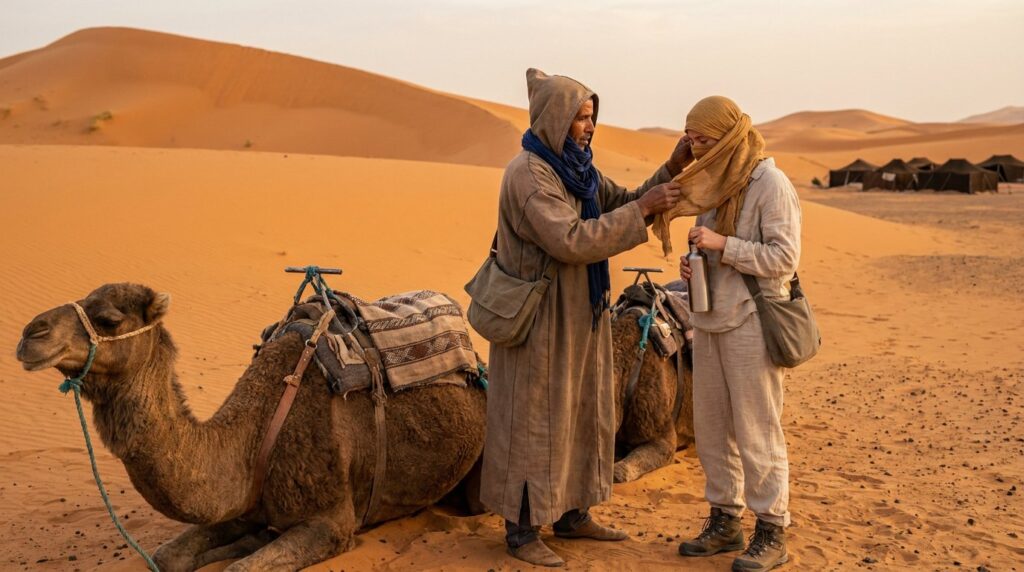
For the Sahara, pack a light layer for evenings and clothing that protects you from the sun and blowing sand. Closed, comfortable shoes are useful on uneven ground, while sandals suit relaxed time around camp. A scarf can shield your head and neck on a dusty walk. Keep a modest outfit handy for visits to local communities or religious places.
Respect matters beyond clothing. Ask permission before photographing people, and never photograph someone who is praying. If a guide explains local customs or suggests suitable clothing for a visit, treat the advice as part of understanding the culture.
Food and drink prices vary, including at stalls around Jemaa el-Fnaa. Check the price before ordering, especially when there is no menu. Juice stalls may charge different amounts, so agree on the price first. Choose a busy food stall with high turnover, and carry bottled water for the day.
A neighborhood hammam can be an affordable alternative to a hotel spa. Ask what the visit includes and whether you need to bring toiletries or a towel. Separate bathing spaces and routines may differ, so follow staff guidance and bring comfortable clothes for afterward.
Keep Moroccan dirhams for small purchases, local food, and transport. Carry only the cash you reasonably expect to spend that day, and avoid displaying a large amount in the medina. Store the rest separately from your wallet. These habits make everyday purchases easier while helping you keep your belongings close.
3. Summer heat in Marrakech and southern Morocco
In July and August, temperatures in Marrakech and southern Morocco can reach +50°C. Inland cities such as Marrakech can exceed 40°C in summer. That changes the pace of a desert itinerary. A walk at midday can feel more demanding than an early visit. Plan outdoor stops for the morning, then use the hottest hours for shade, lunch, or a rest at your accommodation. Adjusting the schedule can make the season easier to manage.
Morocco’s daily rhythm also shapes respectful travel. The call to prayer takes place five times daily and may begin around 5 a.m. Friday prayer runs from 12 to around 1.30 p.m. Fridays. Keep these moments in mind when planning visits or expecting services. A polite greeting, offered when appropriate, is a simple way to show respect. Follow local guidance at traditional and religious places.
For a summer itinerary, schedule the longest outdoor activities early and keep the afternoon flexible. Seek shade during the hottest hours, and carry water between stops. Before departure, check the short-term forecast for Marrakech, the Atlas Mountains, and each overnight location. Conditions can vary along the route, so one city’s forecast may not reflect the whole journey.
Spring, from March to May, and fall, from September to November, are recommended for more pleasant temperatures across Morocco’s regions. If you travel in July or August, avoid filling every hour with outdoor plans. Keep an easier activity near your accommodation and leave room to change the order of stops if the day feels especially hot.
Plan driver tipping separately from tour payments. The suggested budget in Morocco is 75-200 MAD per person per day, depending on the trip. Set aside the amount you choose in small notes, then give it directly to the driver at the end of the journey. For a multi-day itinerary, keep daily cash accessible without displaying a large amount in public.
4. Avoiding common preparation mistakes in Marrakech
Before your desert excursion, save your accommodation’s location on an offline map and note the nearest vehicle drop-off point. Medina streets can be too narrow for cars, so clear arrival directions can prevent a search for your address with luggage after dark. Keep the accommodation’s phone details accessible separately from your map.
Before booking, compare the written itinerary with what you expect each day. Check the transport, pickup point, driving time, accommodation, meals, fuel, guide arrangements, and planned activities. Entrance fees may not be included, so identify them separately. For a desert camp, read the sleeping arrangements and room-sharing details. A clear list makes it easier to compare excursions without assuming every advertised stop or service is included.
Keep everyday essentials within reach. Drink bottled water in Morocco, including when brushing your teeth, and carry enough for the day’s travel. Conditions can differ between Marrakech, the Atlas Mountains, and an overnight desert destination. Marrakech can drop to around 10°C between November and February, so pack a warm layer alongside lighter clothes. Check the short-term forecast for each stop close to departure.
Some details can change, including transport schedules, opening rules, and prices. Review them close to your travel date, and leave flexible time in the itinerary for weather or local discoveries. Reserve limited-capacity activities where needed, but avoid filling every hour. In Marrakech, save your riad’s location and follow its arrival instructions rather than relying on mobile data in the medina.
Use a simple final check before setting out: confirm the pickup details, review what meals and accommodation cover, and keep water and directions handy. Expect plans to need small adjustments, but a written itinerary gives you a useful reference if changes happen. Put these details in place before your next Marrakech desert tour booking.
Book Morocco Trips: 3 Days Marrakech Desert Tour
Book Morocco Trips offers the 3 Days Marrakech Desert Tour for travelers who want a desert journey from Marrakech within a defined itinerary. Its local team also offers a 3 Days Fes to Marrakech Desert Tour and a 4 Days Marrakech to Fes Desert Tour, which suit travelers planning a route between those cities. For a shorter desert experience, the Overnight Camel Trekking Merzouga Desert is another option.
Choose a tour based on your starting point, available days, and how much road travel suits your plans. A three-day tour can provide a clear framework for including the desert in a Morocco trip, while other routes connect different destinations. Review the itinerary and written inclusions to ensure the journey matches your priorities.
To discuss a route that fits your plans, contact Book Morocco Trips or visit bookmoroccotrips.com.
Plan a Desert Journey That Feels Like Yours
Choose a route that suits the way you want to travel, not simply the number of places you can fit in. Knowing which Marrakech desert tour mistakes to avoid gives you a useful starting point: focus on the experience you value, then choose an itinerary that leaves room to enjoy it.
Book Morocco Trips offers the 3 Days Marrakech Desert Tour, the 3 Days Fes to Marrakech Desert Tour, and the 4 Days Marrakech to Fes Desert Tour. These routes give travelers different starting points and trip directions to consider while planning Morocco. Share your travel dates and priorities, and take time to choose the journey that feels right for you.
Contact Book Morocco Trips for tour help and take the next step toward discovering Morocco at a pace that suits you.
Frequently Asked Questions
What is the most common Morocco itinerary mistake?
Trying to visit too many places in one trip is a common mistake. Before choosing routes, write down three priorities, such as desert scenery, historic cities, or time by the coast. Then group those places geographically. This makes the trade-offs clearer: a destination that adds a long detour may be less worthwhile than extra time for your main priority.
How can travelers check whether a Marrakech desert tour operator is reputable and licensed?
Assess a tour through clear written details and recent reviews, while distinguishing an operator’s reputation from a guide’s license. Look for reviews describing punctuality, communication, and whether promised services were delivered. For a guided visit in Marrakech’s Medina, choose a licensed guide. Read the itinerary alongside the inclusions to see what the booking covers, rather than relying on a broad tour description.
What clothing, footwear, and supplies should travelers pack for a Marrakech desert tour?
Pack breathable clothes, a light layer, comfortable closed shoes, and a scarf for sun or blowing sand. Keep sunscreen, personal medication, and a reusable day bag within reach during the drive. Have a modest outfit ready for community visits. A small pouch for essentials is useful when your main luggage stays in the vehicle or at your accommodation.
What health and safety precautions matter for camel rides, desert heat, and long drives?
For a camel ride, follow the handler’s instructions when mounting, dismounting, and moving with the animal. In hot weather, keep water accessible and plan strenuous outdoor activities for cooler hours. On long drives, ask about the day’s route and expected time in the vehicle. Keep personal medication and needed supplies within reach, rather than buried in your luggage.
When is the best season and time of year for a desert tour from Marrakech?
Spring and fall are recommended for more pleasant temperatures across Morocco’s regions. If you travel in summer, plan walks and outdoor stops early, then leave the hottest part of the day for rest. Conditions can vary between Marrakech, the Atlas Mountains, and desert overnight stops, so check the short-term forecast for each destination shortly before departure.
What is a typical price for a Marrakech desert tour, and what should the price include?
Compare written inclusions such as transport, accommodation, meals, fuel, pickup details, and activities. Check whether entrance fees are included.