Morocco in January is one of the most rewarding and underrated travel experiences in North Africa. While the rest of Europe shivers through winter, Morocco offers mild temperatures, thin crowds, and a genuinely authentic atmosphere — especially in its ancient medinas and mountain villages. If you’re wondering whether visiting Morocco in winter is worth it, the short answer is a resounding yes.
In this guide from Book Morocco Trips, we’ll walk you through everything you need to know: what the Morocco weather in January really feels like city to city, the best places to go, what to pack, and the Morocco travel tips for January that will make your trip unforgettable.
1. Why Visit Morocco in January?
January is part of Morocco’s low season, which means fewer tourists, lower prices, and a more genuine travel experience. Here’s why smart travelers choose January:
Key Benefits of Traveling to Morocco in January
- Fewer tourists: Iconic spots like Jemaa el-Fna and the Fes medina are far less crowded
- Lower prices: Riad and hotel rates can be 20–40% cheaper than summer peak
- Cooler hiking conditions: Atlas Mountain trails are snow-dusted but accessible
- Sahara stargazing: Clear desert skies in winter are exceptional
- Cultural immersion: Local life carries on without a tourist lens
Pro Tip: January falls after New Year’s, which means international flight prices often drop sharply in the second and third weeks of the month. Book mid-January for best value.
2. Morocco Weather in January — City by City
The Morocco January temperature varies widely depending on where you are. Coastal cities are mild, the south is warm and sunny, but nights in the mountains can be genuinely cold. Here’s what to expect:
Marrakech: 7° — 18°C: Sunny days, cold nights. Low humidity. Ideal sightseeing.
Fes: 5° — 15°C: Cooler & occasionally rainy. Layer up for evenings.
Casablanca: 9° — 17°C: Atlantic breezes. Mild but overcast days possible.
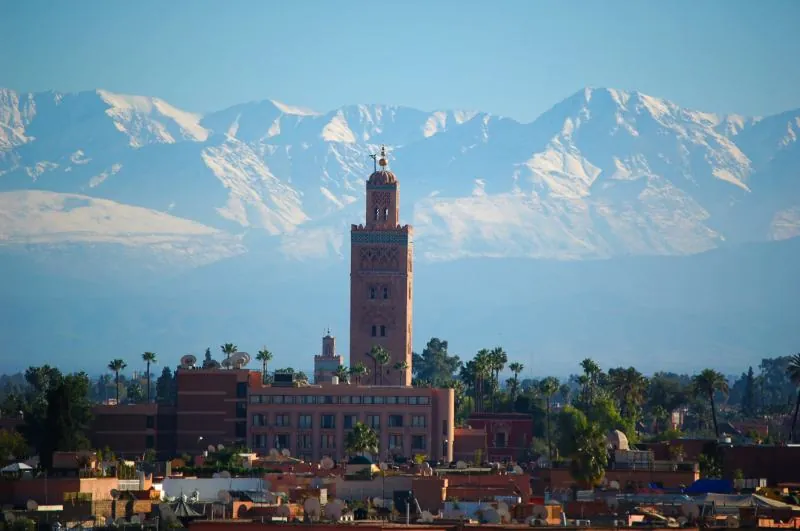
Chefchaouen: 4° — 13°C: Cold & sometimes foggy. Snow possible. Stunning scenery.
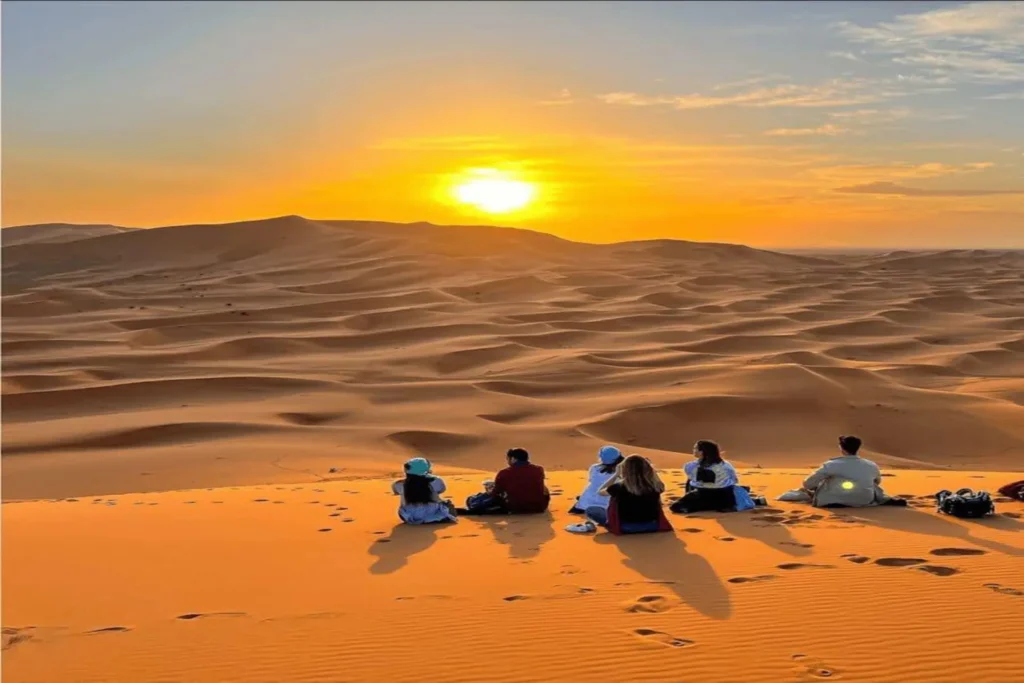
Merzouga (Sahara): 3° — 20°C: Warm afternoons, freezing nights. Pack warm layers for camping.
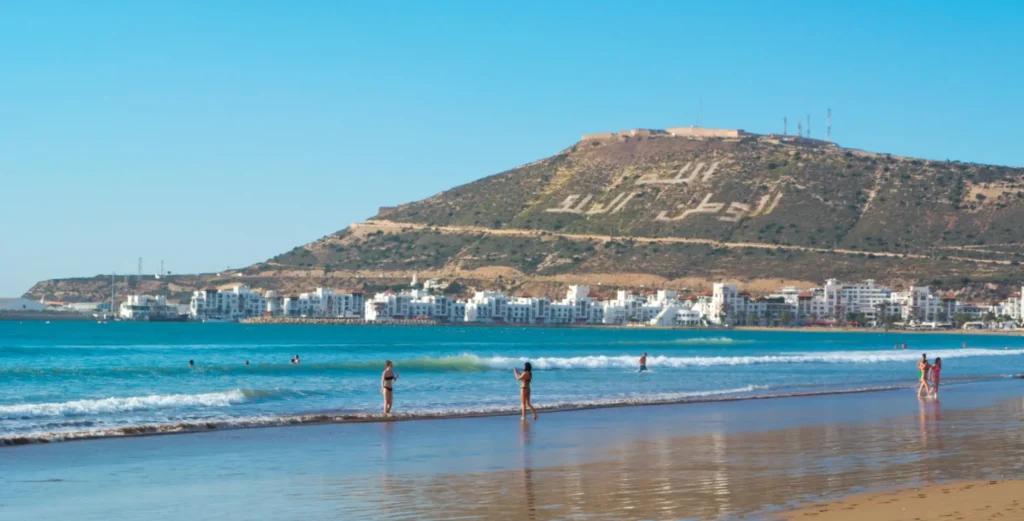
Agadir: 12° — 22°C: The warmest city in January. Beach days are possible!
Note: Rain is Morocco’s guest in January, particularly in the north and in Fes. Always pack a light waterproof layer for these regions.
According to World Weather Online, Marrakech averages only 4 rainy days in January — making it one of the most reliably pleasant cities to visit during Morocco’s winter. The best city for warm weather in Morocco in January is Agadir, which enjoys a near-Mediterranean microclimate thanks to its protected bay location.
3. Best Places to Visit in Morocco in January
Not all Moroccan destinations are equally suited for a January trip. Here are our top picks of Morocco winter destinations, curated by the team at Book Morocco Trips based on years of on-the-ground experience:
Marrakech — The Red City:
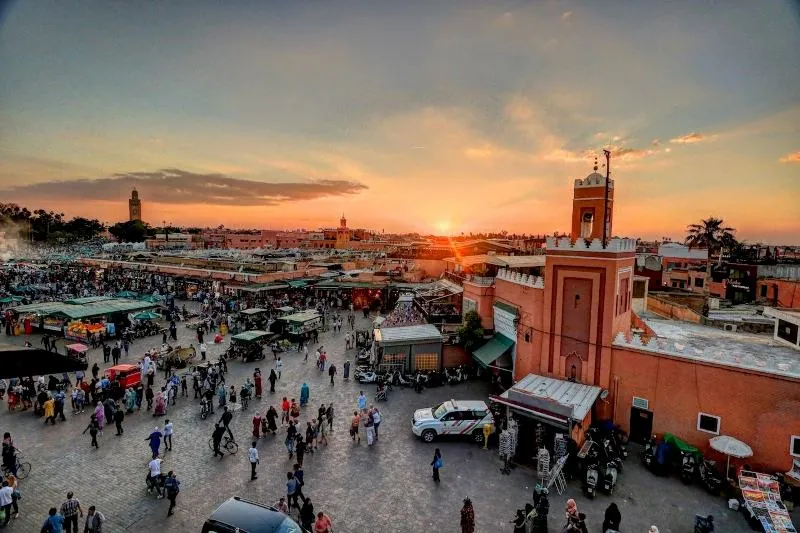
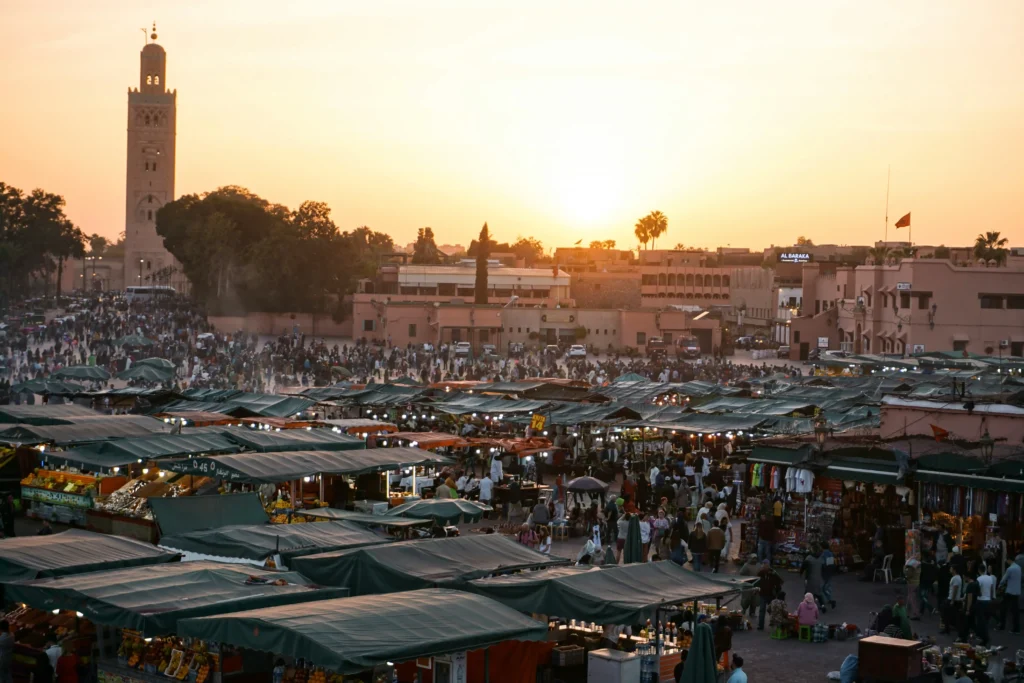
Vibrant souks, Bahia Palace, Jardin Majorelle, and a lively food scene. The January sun makes daytime exploring comfortable without summer’s brutal heat. Perfect base for the Marrakech tours we offer.
Merzouga & the Sahara Desert:
January stargazing in the Sahara is world-class. Cool nights mean you’ll sleep better in a desert camp. An overnight camel trek is unmissable. Explore our Sahara Desert Outdours
Fes el-Bali (Fes Medina):
UNESCO-listed and utterly medieval, Fes is best explored in cool, off-peak months. The tanneries are vivid and the locals have more time for you. Browse our Morocco Tours From Fes.
Chefchaouen — The Blue City:
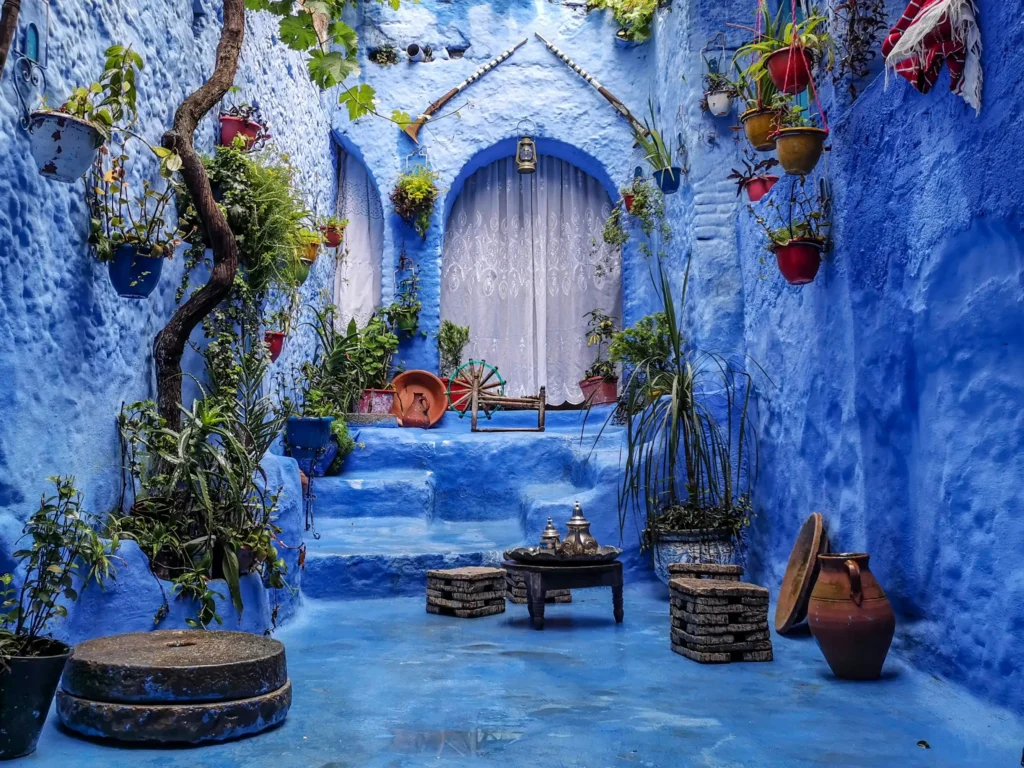
Sometimes dusted with snow on the Rif Mountain backdrop — arguably its most photogenic season. It’s quiet, beautiful, and deeply atmospheric. Check our Morocco Tours From Tangier
Agadir — Beach & Relaxation:
For warm winter sun, Agadir is your best bet in Morocco in January. The bay beaches are uncrowded and temperatures are often t-shirt friendly by midday.
4. Essential Morocco Travel Tips for January
These Morocco travel tips for January will help you get the most out of your winter trip:
Book Riads for Warmth & Atmosphere
Many traditional riads in Marrakech and Fes have fireplaces or hammams (steam baths), which are essential for cold January nights. Unlike hotels, riads are built around an interior courtyard — less wind, more character. According to Lonely Planet, staying in a riad is consistently rated the top accommodation experience in Morocco.
Visit the Hammam — It’s Practical, Not Just Cultural
A hammam session warms you up, is affordable (around 150–300 MAD), and is one of the most authentic experiences in the country. Every medina has a neighbourhood hammam open to visitors.
Respect Ramadan & Local Customs
January 2027 does not fall within Ramadan, so restaurants and cafés operate on normal hours. However, Morocco is a conservative Muslim country — dress modestly, particularly outside tourist areas and when visiting religious sites.
Transportation in January
The Tizi n’Tichka mountain pass between Marrakech and Ouarzazate can occasionally close due to snow in January. Always check road conditions with your guide or driver. Trains between Casablanca, Rabat, Fes, and Marrakech run reliably year-round.
5. What to Pack for Morocco in January
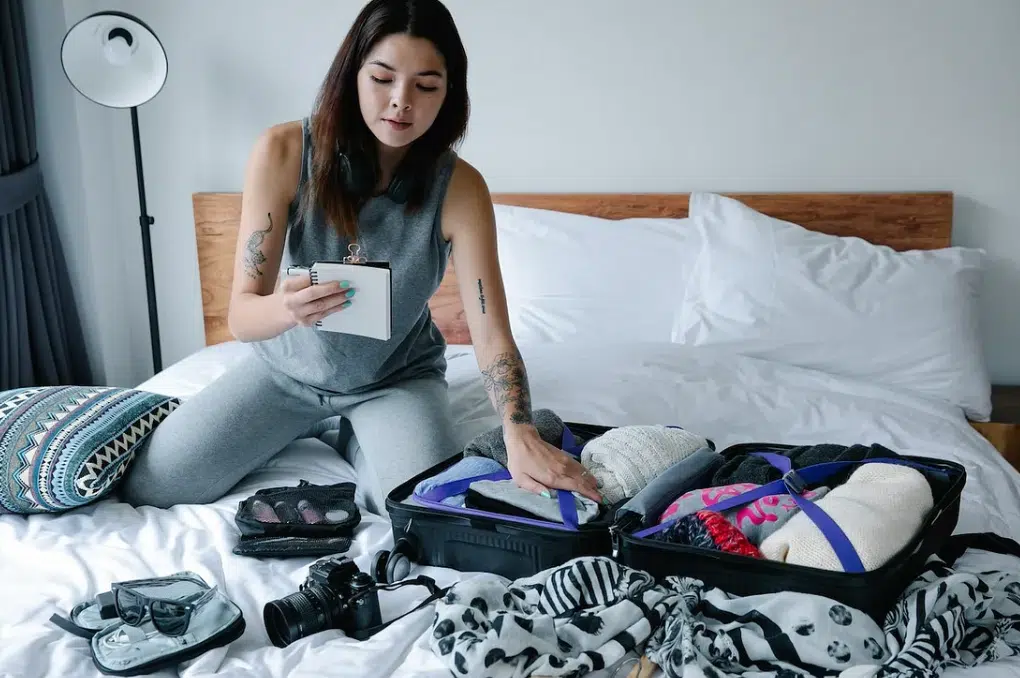
Packing for Morocco in January means preparing for a range of conditions — warm sunny afternoons in Marrakech and genuinely cold nights in the desert or mountains
Clothing
- Warm base layer (thermal top & leggings)
- Mid-layer fleece or wool sweater
- Light waterproof jacket
- Modest tops & trousers (medina visits)
- Scarf (warmth + modesty cover)
- Comfortable walking shoes
- Warm socks & slip-on shoes for riad floors
Essentials
- Sunscreen (sun is deceptively strong)
- Sunglasses
- Power bank & universal adapter
- Cash in Dirhams (ATMs widely available)
- Travel insurance documents
- Offline maps (Maps.me or Google Offline)
- Reusable water bottle
6. Sample 11-Day Morocco Itinerary for January
This is our most popular Morocco in January itinerary, combining cities, desert, and culture:
11 Days — Marrakech, Imperial cities & Sahara Desert
| Day | Location | Highlights |
|---|---|---|
| Day 1 | Marrakech Arrival | Jemaa el-Fna, riad check-in, hammam |
| Day 2 | Marrakech | Bahia Palace, Jardin Majorelle, souks |
| Day 3 | Drive To Casablanca & Rabat | Hassan II Mosque, iconic Hassan Tower, Mausoleum of Mohammed V, Kasbah of the Udayas |
| Day 4 | Rabat to Chefchouen | Chefchaouen Blue City Tour, Visit the central Plaza Uta el-Hammam |
| Day 5 | Chefchaouen, Volubils, Meknes To Fes | Volubilis Roman Ruins – UNESCO World Heritage Site, Meknes Imperial City |
| Day 6 | Fes | Fes el-Bali, tanneries, Al-Quaraouiyine |
| Day 7 | Drive to Sahara | Ifrane, cedar forests, Azrou monkeys, Merzouga Desert |
| Day 8 | Merzouga Sahara Desert | Nomad Experience & Off-Road Desert Exploration, Desert Camping, Camel Trekking Experience, Sahara sunset |
| Day 9 | Desert To Dades Valley | Sahara Sunrise, Todra Gorges, Dades Valley “Valley of 1000 Kasbahs” |
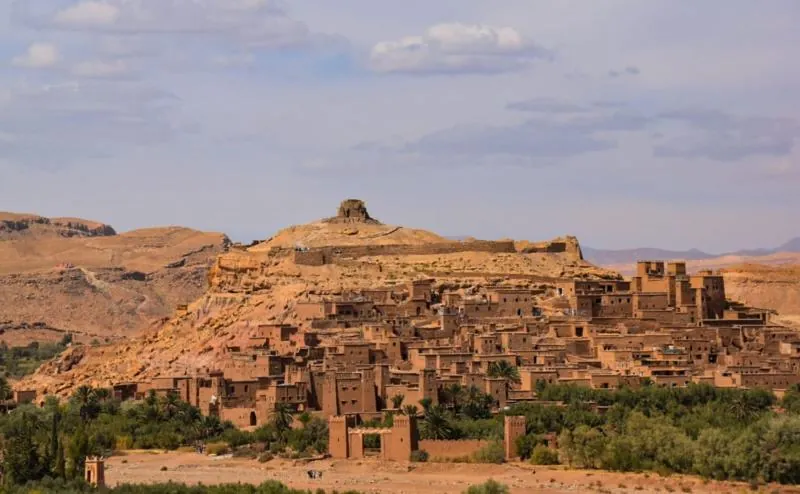
| Day 10 | Drive to Marrakech | Valley of Roses, Ouarzazate the Hollywood of Morocco,Ait Ben Haddou UNESCO Site, High Atlas Mountains Crossing |
| Day 11 | Marrakech → Fly Home | Free Time & transfer to Marrakech or Casablanca Airport |
Want a custom version? Contact our team to tailor this itinerary to your travel dates, group size, and budget.
7. Frequently Asked Questions — Morocco in January
Is Morocco warm in January?
It depends where you go. Marrakech in January sees daytime highs of around 18°C — warm enough for sightseeing in a light jacket. Agadir is even warmer at 20–22°C. However, mountain areas like Chefchaouen and the High Atlas can see near-freezing temperatures and even snow.
Is Morocco safe to visit in January?
Yes, Morocco is generally a safe destination for tourists year-round. The U.S. State Department rates Morocco as Level 1 (exercise normal precautions). As always, use common sense in crowded areas and take only registered taxis.
Is it worth visiting the Sahara in January?
Absolutely. In fact, many travellers consider the Sahara Desert in winter to be the best time to visit. Daytime temperatures are comfortable for camel rides, nights are cold but manageable with blankets provided in desert camps, and the sky is crystal clear for stargazing.
What is the cheapest month to visit Morocco?
January and February are typically the cheapest months for flights and accommodation, making Morocco off-season travel excellent value compared to spring and autumn peak periods.
What language do they speak in Morocco?
Arabic (Darija dialect) and Tamazight (Berber) are the official languages, but French is widely spoken in cities and tourist areas. Many guides and riad staff also speak Spanish and English.